
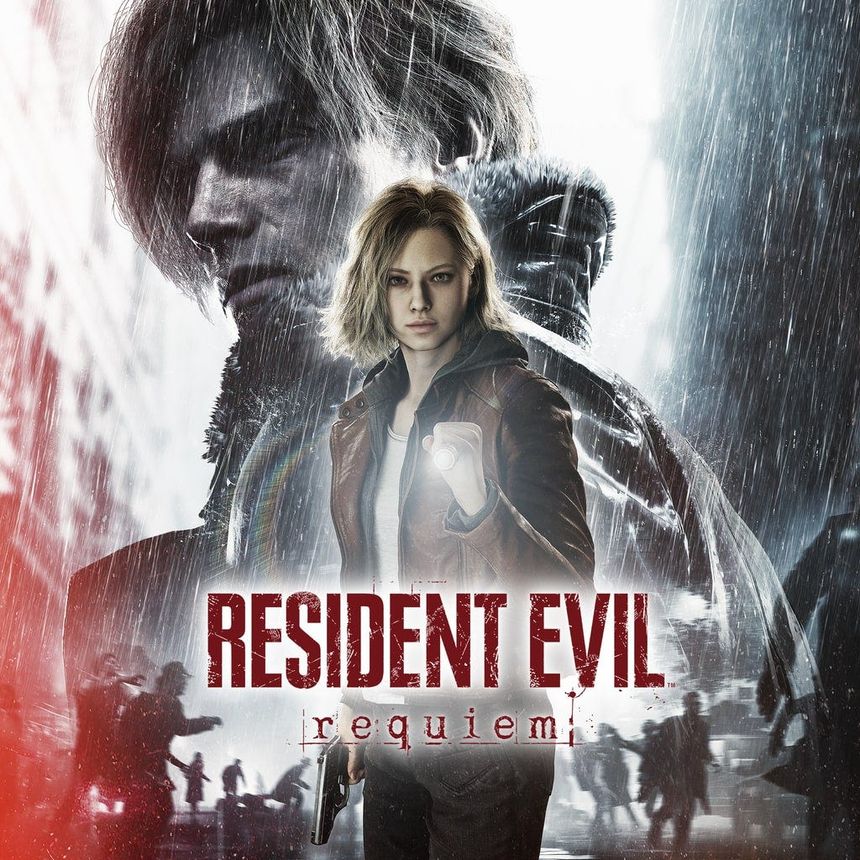
A Reflection / Review On a Franchise That Totally Redeemed Itself!
Let me be straight with you. I was ready for this game. Had the date circled. Had the hype built up for months. And the day it released I had it downloading while I was at work so I had my Friday night planned out and spoken for. In a year where everybody and their cousin was losing their mind over GTA 6 and the constant delays of the release date which honestly I lost all the excite for it and don’t get me wrong, that’s a cultural event and I am a GTA fan but, Resident Evil Requiem was the one I actually cared about more and a different title that will come out later this year. That is one of the releases I’d been waiting for this year. I was prepared for everything this game was supposed to be. What I wasn’t prepared for was what it actually turned out to be.
Let’s Go Back for a Second.
Let me paint this picture for you. Because you can’t fully feel what Requiem does without understanding where this franchise started for me. And I was there for all of it.
The setting is 1998: A 12 year old me. Resident Evil 2. That’s where it began for me. Raccoon City Police Department. Leon Kennedy, a rookie cop, first day on the job, city already gone to hell before he could even figure out where the bathroom was. Claire Redfield looking for her brother and getting the worst possible answer to that search. And me, on the other side of the screen, doing my best impression of someone who wasn’t terrified, but I loved it. The tension was exciting!
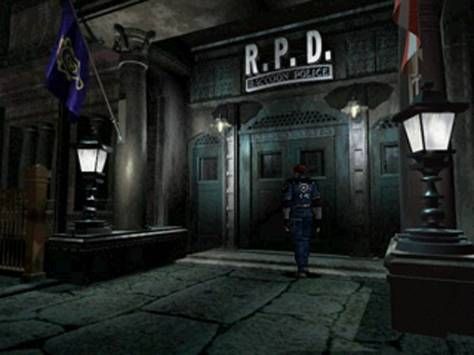
The Raccoon City Police Department was a building that felt alive in the worst way. Every hallway had something waiting. Every locked door was a gamble. You didn’t just fight your way through, you survived your way through, rationing ammo like it was oxygen, combining herbs like your life literally depended on it because… it did. And the enemies weren’t just obstacles. They were extreme pressure. Lickers crawling across the ceiling. The Tyrant, Mr. X, showing up when you least expected it and deciding your schedule for you because he didn’t believe in taking a number. That slow, heavy footstep echoing down a corridor you thought was clear.
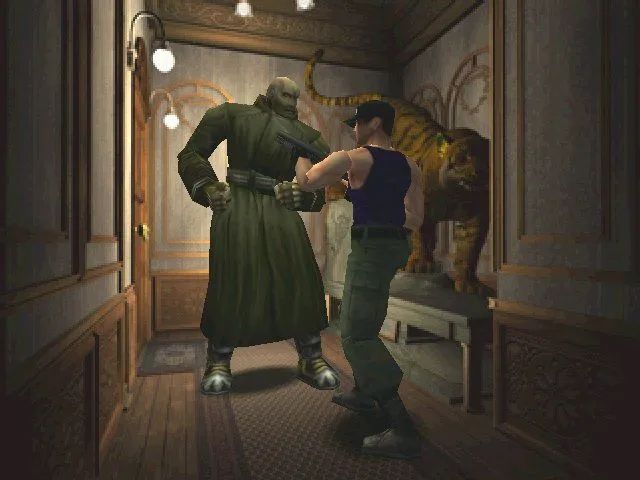
You couldn’t run from everything. You couldn’t fight everything. You had to think. And you had to think fast, with limited visibility, fixed camera angles giving you a corner-mounted view of your own panic, tank controls that made every turn feel like an argument with the character you were playing. The game decided what you could see. Not you. And a bad camera angle would potentially decide your fate!
That wasn’t a bad design. That was the entire point.
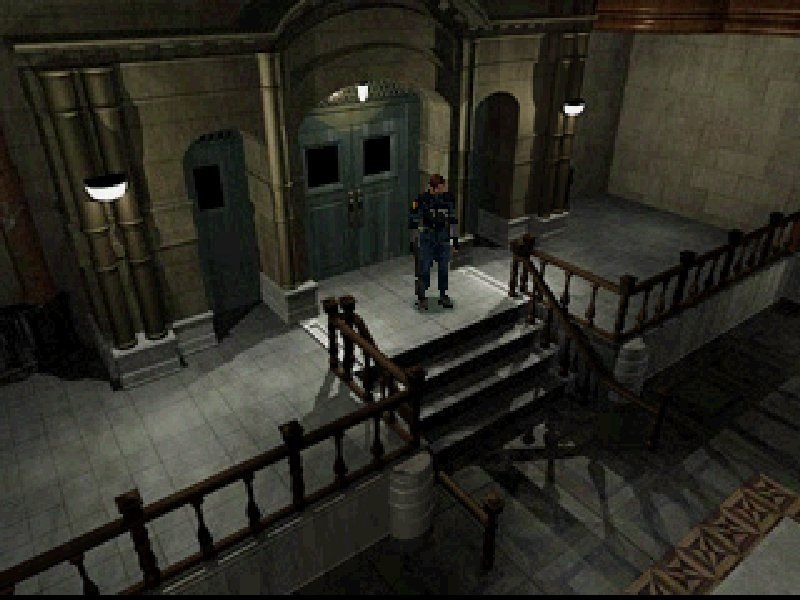
The helplessness was the horror. The RPD felt massive and claustrophobic at the same time. Every room held a decision and every decision had a cost. I was a kid who had no business being that scared but it was also exciting. I played through it anyway. And it rewired something in me that never went back to normal. My undying love for survival horror!
The Evolution
I’ve watched every gear shift happen in Real Time. Resident Evil 4 blew the walls off what we thought this series was. Camera over the shoulder, action dialed up, tension repackaged but by RE6 that formula had become repetitive where it was more action rather than horror elements. RE7 dragged us back into the dark and made us feel small again. Village went bigger and more cinematic while keeping the rot underneath. Every shift was a risk. Every one landed differently depending on who you asked. But each one was intentional. And just like any successful franchise with a world wide fan base, they had their hits and misses. Its normal, and with those misses, the franchise had improved and learned from their mistakes.
Requiem doesn’t pick a lane. It picks all of them, first person, third person, switchable at will. And that alone is a statement. The franchise saying: “here’s everything we’ve learned about how to scare you. Choose your destiny” (MK pun intended). Playing this with modern lighting and real physics and audio that gets inside your chest, and then thinking back to those fixed cameras and those impossible controls in the 1998 RPD, the gap is massive. Not just technically. Emotionally. This series grew up in front of me and somehow never lost the thing that made it dangerous and exciting. That’s the hardest trick in the world to pull off. Keeping an ongoing franchise fresh.
The Engine Behind Everything
Here’s something that doesn’t get enough credit in casual conversation about this franchise that I tend to bring up in conversation with friends: the technology that makes Requiem possible didn’t appear out of nowhere. Capcom built it deliberately, and they used Resident Evil 7 to do it. The RE Engine launched with RE7 in 2017 and that game was essentially Capcom stress-testing their own creation. Could it render claustrophobic indoor spaces with enough fidelity to actually terrify people? Could it handle first-person perspective without losing the dense, high-tension atmosphere the series was built on? Could the lighting, the physics, the environmental detail, could all of it work together to make a player feel genuinely unsafe inside a video game? And my conclusion was is that it was successful experiment.
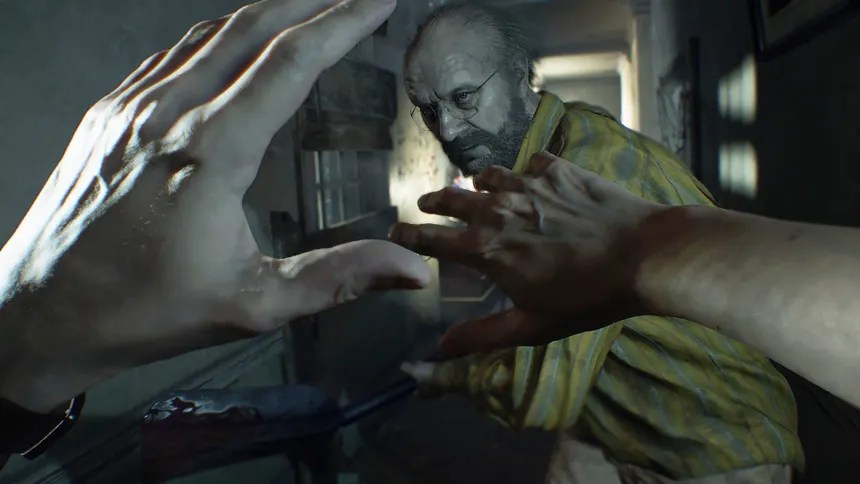
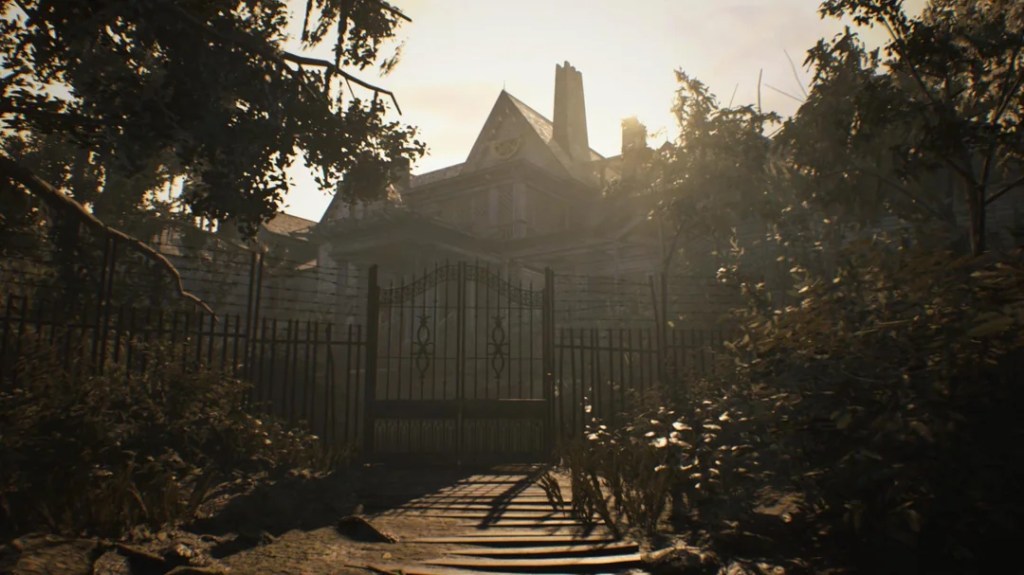
While not being tied to any other storyline in the Resident Evil universe, Resident Evil 7 totally came out of left field. A new but refreshing nightmare that I really enjoyed. It had introduced a new protagonist and new twist and plot. Ethan Winters journey in the Baker Mansion brought back all those familiar feelings in your bones that danger could arise at any corner that is something the fans had been missing out on for years up until that point. The Baker house answered all of those questions. And what Capcom learned building and running RE7 became the foundation for everything that came after, RE2 Remake, RE3 Remake, Village, and now Requiem. Every game since has been Capcom getting more fluent in a language they invented.
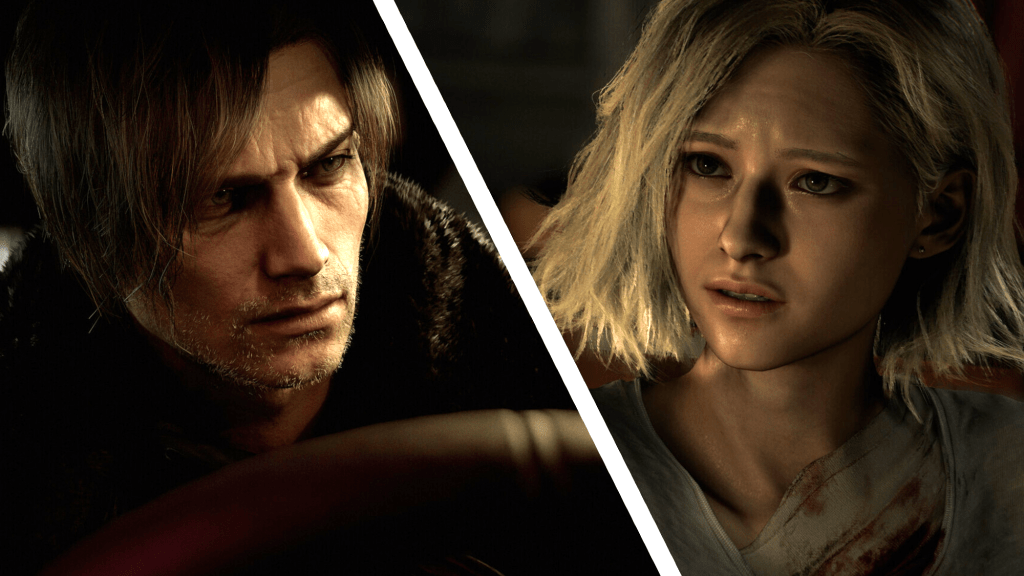
But Requiem is where that fluency becomes something else entirely. Because one of the things fans had been asking for since the series made the first-person shift, loudly, consistently, for years, was the ability to choose. Don’t lock us into one perspective. Let us play the way we want to play. Let us switch. Capcom listened. And the way they delivered it in Requiem isn’t a gimmick or a checkbox feature. The perspective shift is baked into the design at a fundamental level. Grace’s stealth-driven, tension-soaked sections feel engineered for first person, putting you inside her anxiety. Leon’s action sequences open up in third person in a way that gives you the spatial awareness his experience demands. The option to switch exists, but the game already knows which lens fits which moment. That’s not just a technical achievement. That’s a design philosophy that could only exist because Capcom spent almost a decade learning what this engine could actually do.
RE7 was the guinea pig. Requiem is the proof of concept fully realized.
Two Characters. Two Completely Different Ways to Feel Afraid.
Now let’s get down to the nit and grit! This is the part I want to spend some real time on. Because Requiem does something with its dual gameplay that I don’t think gets talked about enough, it doesn’t just give you two protagonists. It gives you two completely different emotional experiences wearing the same story. Playing as Grace in the clinic is a different game than anything Leon touches. And I mean that literally. The atmosphere shifts the second you’re in her shoes. The clinic sections are cold and quiet in a way that gets under your skin, fluorescent lighting that flickers just often enough to remind you it can’t be trusted, hallways that feel too long, rooms that feel too still and zombies that say short phrases (that’s new), groaning, snarling echoes while you hear their footsteps approaching. Grace isn’t there to fight. She’s there to understand. She is there search for answers. Every area she moves through is a puzzle before it’s a threat, and the game makes you feel that distinction.
You’re conserving everything. Ammo, health, movement. You’re reading the room before you enter it, checking sightlines, listening for sound cues, figuring out which enemies are worth engaging and which ones are a resource drain you can’t afford. And the answer is usually: avoid them. Save it. There’s something later that’s going to need whatever you’re holding right now. The game doesn’t tell you that. You just learn it. The hard way, the first time. The smart way, after that. The research mechanics in Grace’s sections hit different because they’re not optional flavor. They’re the gameplay. You’re piecing together what happened in these spaces the same way she is, reading documents, analyzing environments, cross-referencing what you’ve found against what you’ve seen. The story doesn’t just get told to you in cutscenes. It gets excavated. And the tension in those moments, silent, methodical, one wrong step away from blowing your cover and burning resources you don’t have, is the closest this franchise has felt to the original RPD experience since 1998. That specific kind of dread. The kind that comes from knowing you’re outmatched and having to be smarter instead of stronger.
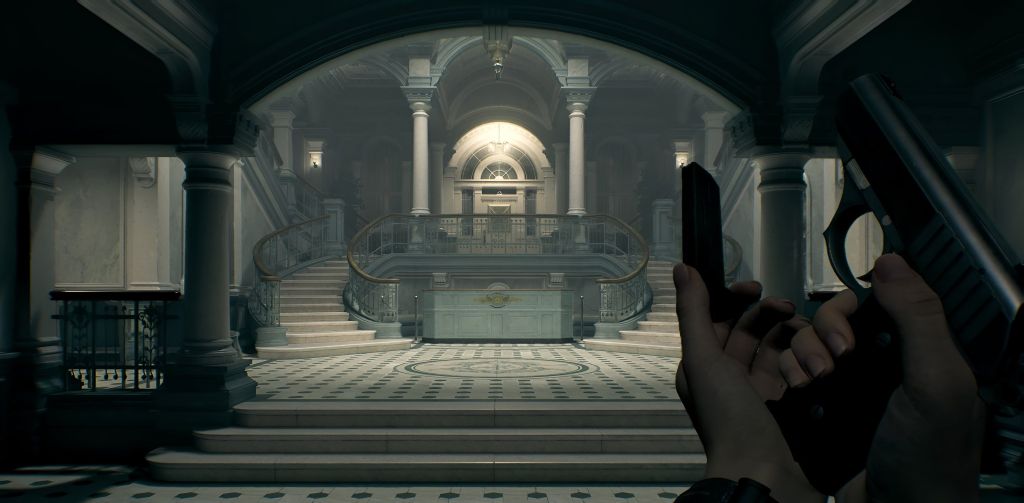
Leon’s sections are a different animal entirely. And they work. The action is tight and satisfying, the pacing opens up, there’s real momentum to how he moves through the world. Where Grace is careful, Leon is deliberate. Where Grace avoids, Leon engages. Playing his chapters feels like exhaling after holding your breath through hers. The tension doesn’t disappear but it changes shape. It becomes something you can push back against instead of something you have to quietly outlast. And here’s what I genuinely respect about how Requiem handles this: both of these characters are working toward the same conclusion, the same story, the same truth about what happened and why Raccoon City still matters. Their paths converge in ways that are earned. The pieces each of them finds only make sense when you have both halves. Neither campaign is complete without the other and it operates as one consolidated campaign.
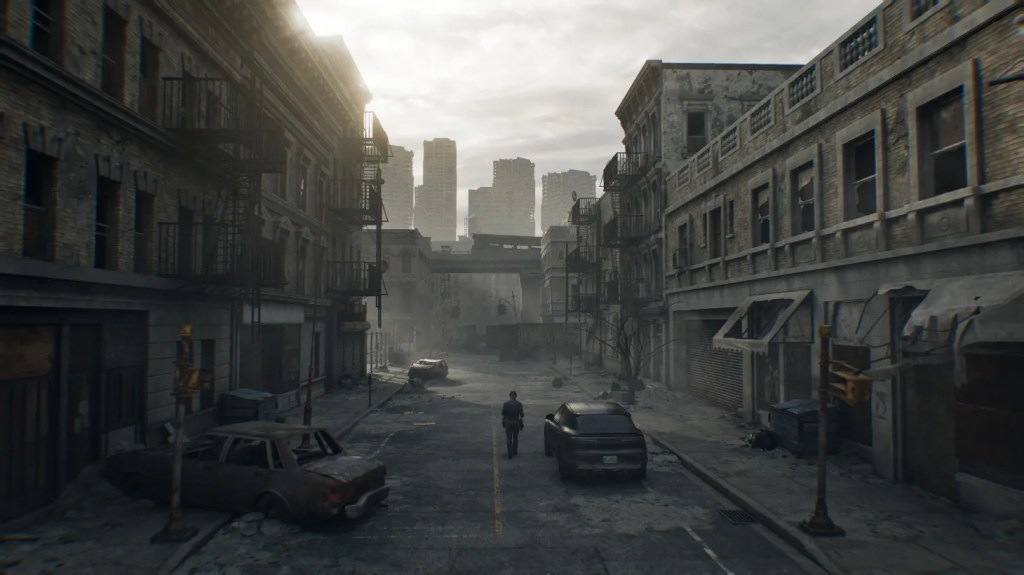
But if you’re asking me where I lived in this game. Where I felt the most dialed in, the most engaged, the most like I was actually inside something instead of playing through it. While playing Leon was fun and exciting with his John Wick type approach to the action. For me, it was Grace. Every time. The clinic. The quiet rooms. The moments where surviving meant thinking instead of shooting. Having to go back to areas you already had visited to unlock more doors in the building. That’s the DNA of Resident Evil 2 translated into 2026. That feeling of being in a space that doesn’t want you there, with just enough resources to keep moving if you’re smart about it. And full disclosure, stealth and research is my favorite type of gameplay. Grace’s half of this game is one of the best survival horror experiences I’ve played in years. And the fact that it’s woven into something bigger. Something Leon’s action-forward chapters complete and makes the whole thing more than the sum of its parts.
I Thought I Knew What I Was Walking Into…
Here’s the thing. I went in informed. I’d followed the pre-release coverage. I knew the setup. Grace Ashcroft, FBI analyst, daughter of Alyssa from Outbreak if you go back that far. I knew Leon was back, older, carrying weight. I knew the story tied back to Raccoon City. I thought I had the shape of it figured out. But much a lot of things in life we experience, I didn’t have anything figured out. Requiem hits you with twists that don’t feel like twists for the sake of it, and that’s the part that got me. Lesser writing uses plot turns to shock you. This game uses them to recontextualize everything. You think you understand what’s happening, and then a door opens and suddenly the last two hours mean something completely different than you thought they did. And it happens more than once. And every time it lands, it lands hard because the groundwork was laid so carefully you didn’t even see it being placed. The main reason I play video games like this because it provides an experience in story-telling and more freedom of content that movies do not.
The Story Is What I’m Still Thinking About
The game is set 28 years after Raccoon City was bombed after the events of Nemesis. Grace is not a soldier. She’s an analyst, wired for pattern recognition, not combat, and watching her navigate something this catastrophic with brains instead of brute force makes her one of the most compelling characters this franchise has ever built. Her vulnerability doesn’t make her weak. It makes every decision feel like it actually costs something. Then there’s Leon. Older. Slower to react not because he’s lost a step but because he’s been carrying thirty years of this and his body knows the weight of it. There’s grief in how he moves. Real grief. Not action hero fatigue but actual human grief dressed up in competence.
I started with Leon in 1998. A kid playing a kid who had no idea what he was walking into. Watching him here, same man, three decades later, still in it, it hit different than I expected. That’s not nostalgia. That’s something closer to recognition. Two protagonists. Two timelines of damage. Same wound.
I’m a writer, small details are everything to me. But here’s what the writers actually did is why I have real respect for anyone who builds stories for a living: the present-day events aren’t just new horrors stacked on old mythology. They’re the consequences of it. Every corporation, every cover-up, every outbreak across this entire franchise threads back to where it started. And Raccoon City, the RPD, the streets I navigated as a 12 year old trying not to die in a police station that had become a tomb isn’t just a setting in Requiem. It’s the answer to a question that’s been sitting open for thirty fucking years. And the way they get you there is the reveals, the recontextualizations, the moments where something you thought you understood flips and becomes something else entirely It’s surgical. Nothing is wasted. Every thread that gets pulled was placed deliberately. That’s not accident. That’s architecture.
Every scattered document, every file, every piece of lore, for those of us who’ve been reading these since the files and notes scattered across the RPD in 1998 also it felt like someone finally laying all the pieces on the same table and stepping back to let you see the whole picture. I sat with that even after I had completed the game.
I Was Excited. I Just Didn’t Know What I Was Excited For.
So now my conclusion to my long-winded review. Finally right? Here’s the honest version of how I went into this. I was hyped, more hyped for this than anything else dropping this year, GTA 6 included. That’s not a small statement. GTA 6 is everywhere. The internet, the gaming world, every conversation about what 2026 means for this industry. And I get it. That’s a generational moment for a lot of people. But Resident Evil is mine. So yeah, I had the date circled. I was locked in. And the day it released I had it downloading while I was at work so I had my Friday night planned out and spoken for.
What I didn’t have was any real sense of what I was about to walk into. Excited without a blueprint. Ready without knowing what I was ready for. I knew the franchise. I trusted the franchise. Beyond that I was going in mostly blind and just hoping it delivered something worth the wait. That kind of cautious excitement is its own specific feeling you want it to be good but you’ve been around long enough not to assume it will be. You’ve seen franchises miss. You’ve seen hype outrun the actual product. So you stay excited but you keep one hand on the railing.
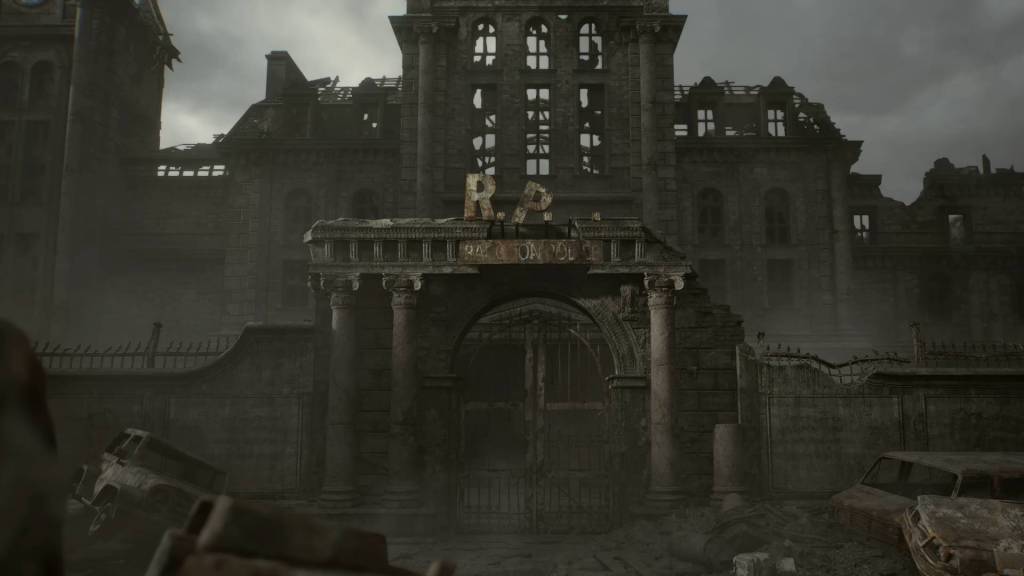
Requiem didn’t just deliver. It delivered in ways I didn’t have the framework to anticipate. There’s a moment in this game where you step back into Raccoon City. The ruins. The streets that were decimated before a lot of today’s players were born. And the way that environment is built the light through collapsed architecture, the silence that sounds infected, it put me back in 1998. Standing in that police station for the first time. The same cold dread. The same music. The same feeling that the building itself was working against you.
Not because it’s the same. Because it’s better, and it still feels like the same thing.
We weirdly live in a time now where a lot of nostalgia is everywhere. I don’t know if that is a symptom of getting older in my case or is that a cultural shift that people are starting to appreciate what they once had but can’t go back to. But at this age and how long I have loved this franchise, I feel like that old Vietnam vet going “I was there man!” whenever someone younger brings up something from my generation. That’s the hardest thing to pull off. Nostalgia that’s actually earned. The kind that understands why Resident Evil 2 mattered. Why Raccoon City mattered and then delivers that feeling with everything thirty years of evolution can offer.
I was ready for a great Resident Evil game.
I wasn’t ready for one that made me feel like every game in this franchise was always building toward this one specific story.
That’s what Requiem is. And that’s not something I say lightly.
See you next time!
 Reaper's Reflections